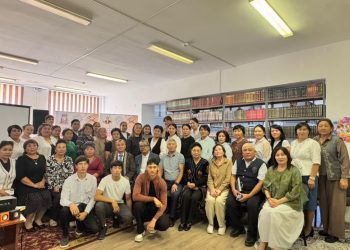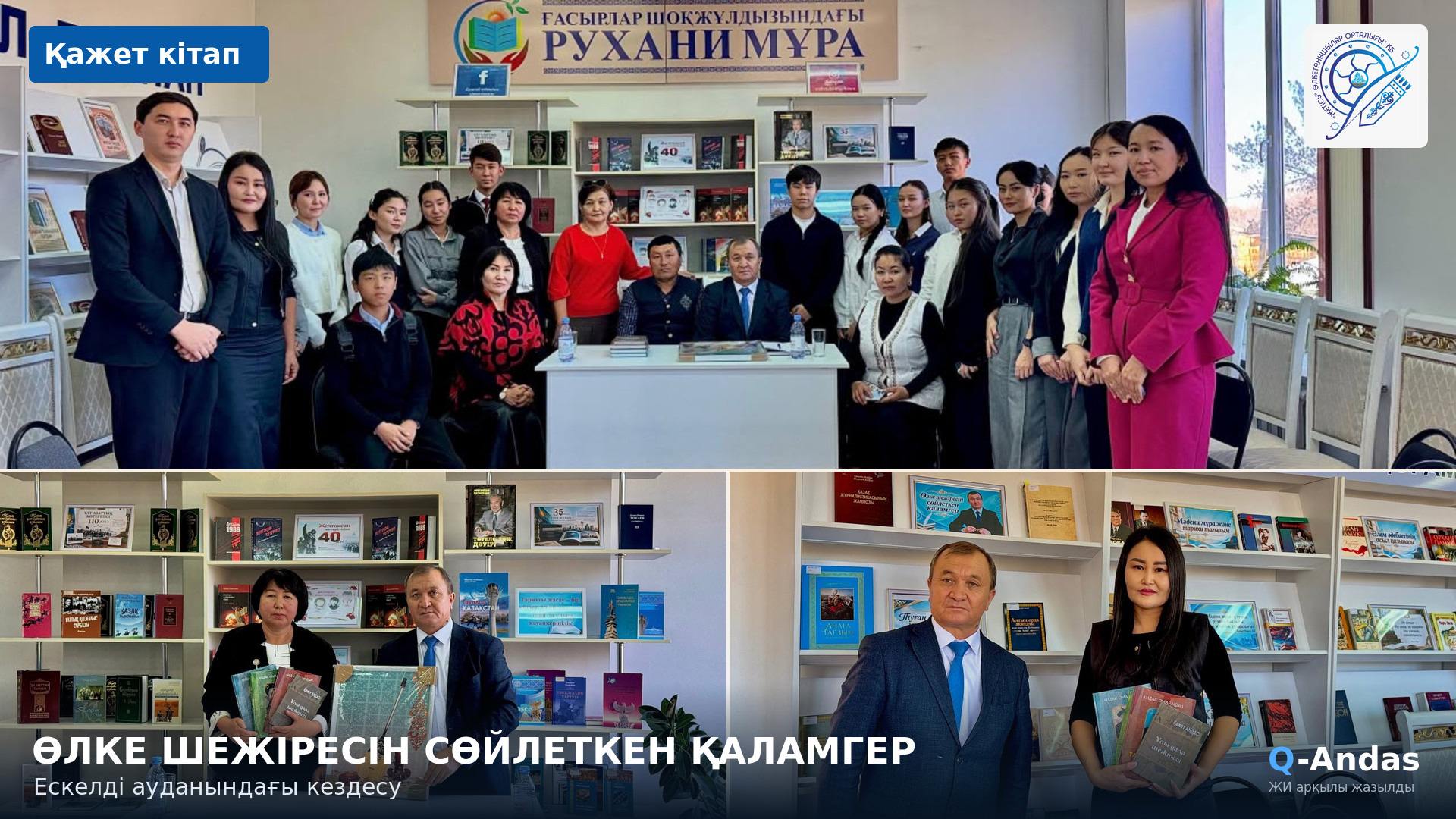
The Eskeldi District Library hosted a meeting with Kazhet Andas, journalist, local historian, director of the Zhetisu Centre for Local Historians public association and editor-in-chief of Q-Andas News Agency, Q-Andas reports.
Посмотреть эту публикацию в Instagram
Held on 6 November 2026 under the title “The Writer Who Brings Local History to Life”, the event focused on researching regional history, promoting literary heritage and preserving historical memory. It aimed to introduce readers to the author’s work and encourage younger generations to take an interest in local history.
The event was organised with the involvement of Bakytgul Toilybekova, head of the Eskeldi District Library, and librarians Aiman Naizabekov, Meruert Bekmyrza and Roza Abdirakhmankyzy. The library team provided a welcoming setting for an open conversation between the author and his readers.
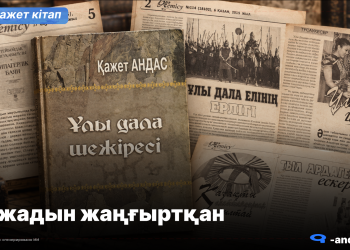
Kazhet Andas has contributed to 64 books as an author, co-author or compiler. Of these, 37 are currently included in an electronic book catalogue and are available to readers. Researchers use his works on local history and political repression as source material.
His local history research covers Zhetisu’s settlements, place names, historical sites, rock art and cultural heritage. He explores village history through the lives of local people, drawing on archival documents, oral accounts and material gathered during his travels. These works seek to document the region’s past, preserve community memories and pass this knowledge on to future generations.
Another major area of his research concerns political repression, property confiscation, famine and forced displacement. He examines individual experiences by comparing archival records with recollections preserved in community memory. By collecting the histories of individuals and families, he uses specific evidence to show the consequences of the region’s tragic events.
The meeting also highlighted Andas’s research into the legacy of Ilyas Zhansugurov. His work in this field examines the poet’s journalism and writings published in the periodical press. Searching old newspapers and magazines, comparing works published under pseudonyms and transliterating Arabic-script texts into Cyrillic help reveal lesser-known aspects of the poet’s work.
The study of historical periodicals is closely connected with the author’s translation work. By examining early twentieth-century Kazakh publications and those of other Central Asian peoples, he explores how historical events were reported, how public opinion developed and how ideas of national liberation spread. His efforts to collect literary works and prepare manuscripts for publication also bring previously little-known writings to a wider readership.
His fiction and journalism address family values, a father’s example, attachment to one’s homeland, village life and migration. Through accounts of people’s everyday lives and working experiences, he also portrays social changes across the region.
Kazhet Andas has consistently written about the history and contemporary life of Eskeldi District. His research and articles on the villages of Konyr, Nura, Akyn Sara and Baktybai examine their past, cultural life and social challenges. Drawing on archival records and local recollections to study Nura’s history, he has raised the need to commemorate victims of the famine.
He also conducts historical research into figures associated with Eskeldi District, including Zhalaiyr Shora and the revered Asan Siyk, as well as the Syrymbet massacre, the consequences of famine and property confiscation, and the lives of people subjected to political repression. In his publications on the legacies of Akyn Sara and Baktybai Zholbarysuly, he suggests ways to introduce their work and example to younger generations. Alongside reporting on pressing local issues, he follows up on his proposals and shares responses from the relevant institutions with readers.
The meeting was also attended by Ayat Kobekhan, Arai Akhmetzhanova and Arai Manaskyzy, who teach history and geography at schools in Eskeldi District. The teachers actively joined the discussion, sharing thoughtful observations and constructive suggestions.
Such meetings highlight the educational value of local history research. Information about village history, place names, historical figures and cultural heritage can enrich history and geography lessons with local material. Exploring national history through familiar places helps pupils develop an interest in their home region and a sense of responsibility towards it.
During the open discussion, readers asked questions and received answers from the author. Andas spoke about his creative pursuits and life experience, offering insights into his research methods.
The event also featured a book exhibition entitled “The History of Our Home Region – A Legacy for Future Generations”. A guided overview introduced participants to the range of subjects covered in the author’s works and broadened their knowledge of regional history and literary heritage.
The meeting at the Eskeldi District Library provided an opportunity for a meaningful exchange between the author, teachers and readers. Documenting local history, preserving historical memory and making research useful to younger generations formed the central themes of the event.
Q-Andas News Agency.
Photography and video by Amina Akylbek.
Correspondents of the Q-Andas News Agency.