
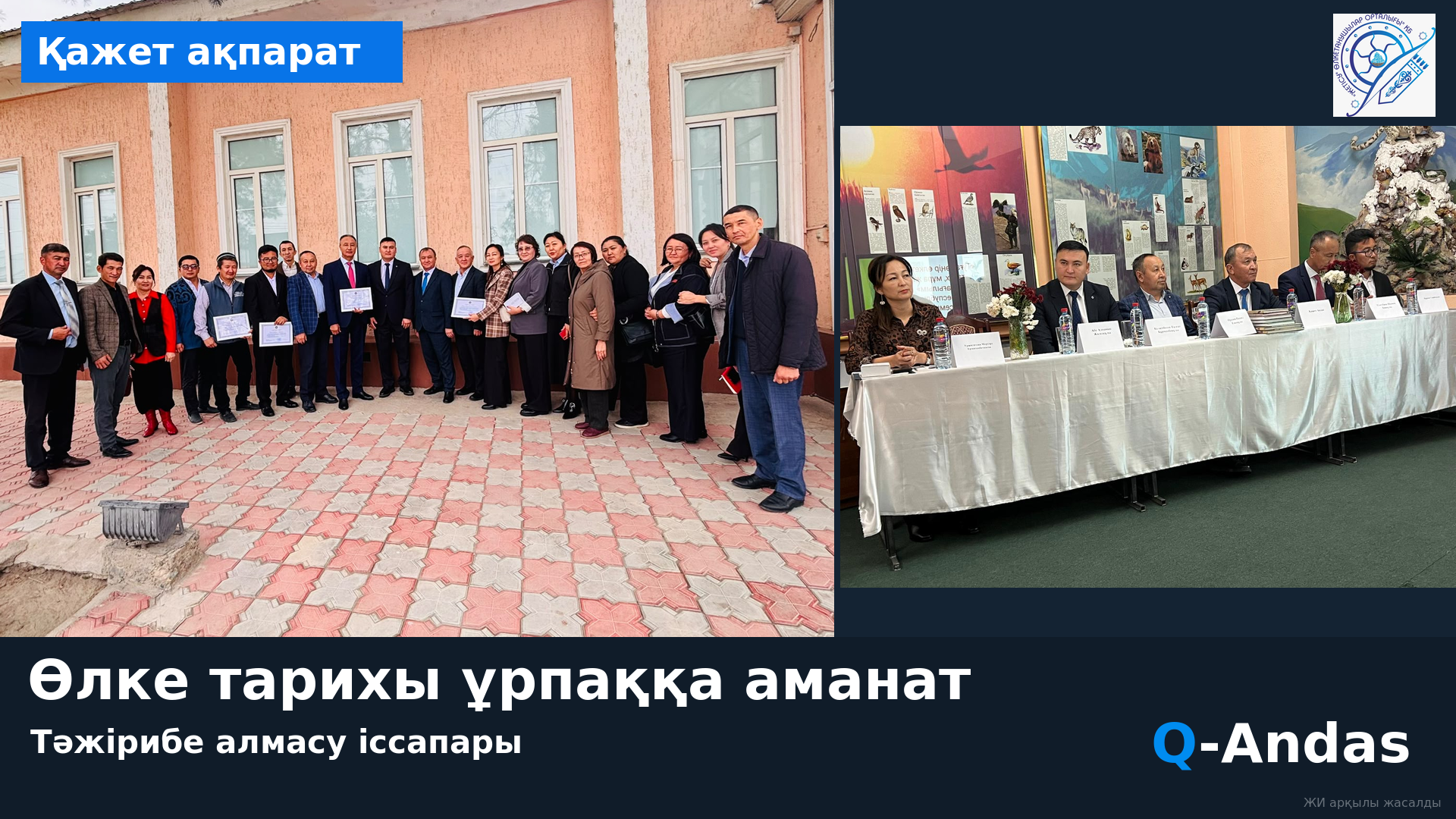
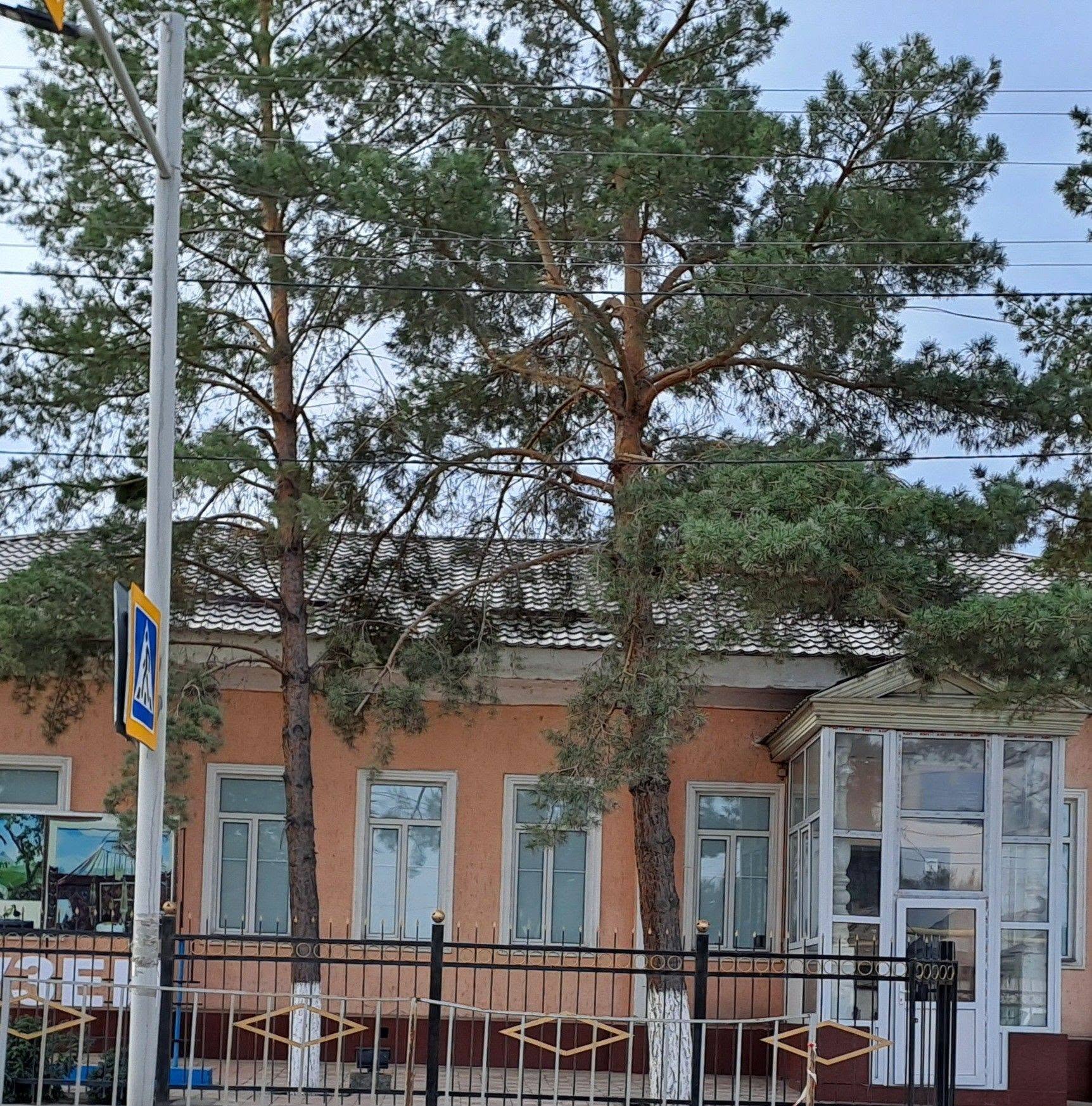
Village chronicles, the remains of ancient settlements, museum artefacts and archival documents reveal the history of our native land. Finding these sources, establishing their authenticity and sharing them with the public require perseverance and responsibility from local historians. The national seminar “Local History of the Homeland: History, Heritage and Lessons from the Past”, held at the Shelek Museum of Local History, focused on the scholarly foundations and public significance of this work.
Held on 21 October 2026, the gathering brought together scholars, local historians and museum professionals. Participants shared their experience of researching, preserving and promoting the historical and cultural heritage of Almaty Region and Zhetisu, and discussed opportunities for interregional cooperation.
Посмотреть эту публикацию в Instagram
The event was held under a state social commissioning arrangement with the Department of Internal Policy of Zhetisu Region, as part of the project “Organising the Activities of the Civil Centre for Non-Governmental Organisations of Zhetisu Region”, implemented by the Tamshybulaq Public Association. The meeting was initiated by the Zhetisu Local History Centre Public Association and the Shelek Museum of Local History, which operates under the Association of Museums of Almaty Region, a state municipal enterprise.
Tal gat Kurmanbekuly Kelimbetov, Director of the Association of Museums of Almaty Region, delivered welcoming remarks at the opening of the seminar. Invited guests included Rashid Yeshenuly Orazov, Senior Research Fellow at the Sh. Sh. Ualikhanov Institute of History and Ethnology and holder of a master’s degree in history, and Duisenbai Sygayev, head of the Zher-Su Public Foundation.
The main presentations addressed several important areas of local history research. Qazhet Andas, Director of the Zhetisu Local History Centre Public Association, presented the organisation’s achievements and future plans. The association brings together local historians, scholars, librarians, museum professionals and archivists for collaborative research. Collecting and studying historical sources, publishing research findings as books and making them available to readers form closely connected strands of its work.
Between 2017 and 2023, members of the association helped identify 500 previously unrecorded sites and secure the inclusion of 69 of them in lists of sacred sites of national and regional significance. The association has continued this research since 2023. These efforts demonstrate the importance of both gathering locally preserved information and establishing the historical significance of each site.
Research into the lives of victims of political repression also remains a priority for the centre’s members. They have participated in commissions working towards the full rehabilitation of victims and have conducted archival research. This work continues. Reconstructing incomplete biographies through archival documents and verifying information preserved in collective memory require considerable care.
Publishing and public education form another strand of the work presented by Qazhet Andas. With support from patrons and through personal funding, the association has published 64 books, 35 of which have been included in a catalogue of electronic books. Between 2024 and 2026, it donated 350 copies of books to libraries in Zhetisu Region through the “Give a Book” campaign. These efforts are complemented by donations of valuable artefacts to museum collections, the organisation of Felt Book festivals, exhibitions and educational events. Research materials are regularly published on Qandas.kz.
The relationship between local history research and scholarly standards was central to the presentation by Shamek Bayanuly Tileubayev, Deputy Director General for Research at the Sh. Sh. Ualikhanov Institute of History and Ethnology, Candidate of Historical Sciences and Associate Professor. His presentation, “Academic Historical Scholarship and Local History: Distinctive Features and Opportunities”, explored the connection between local research and professional historical scholarship.
Comparing oral accounts with written records, identifying the sources of information and drawing evidence-based conclusions enhance the value of local history publications. Cooperation between local researchers and academic institutions therefore helps expand the available evidence and improve research quality.
Alpamys Zhalgasuly Abu, a Senior Research Fellow at the Atameken Historical and Cultural Centre and holder of a master’s degree in history, presented a report on the protection and study of historical and cultural heritage sites around Ushqonyr. His presentation highlighted the need not only to identify heritage sites but also to ensure their preservation and scholarly investigation. Systematically collecting information about monuments provides a foundation for introducing them to future generations.
Historian and genealogist Nurzhan Sadirbekuly delivered a presentation entitled “Aset Temirgaliyev: Local Historian and Cartographer”, dedicated to the work of a researcher who studied the region’s history. Examining the materials collected by individual researchers and the legacies they leave behind helps maintain continuity in local history work. Knowledge of earlier research enables each new generation to build on previous findings and pursue new lines of inquiry.
Meruert Yermagambetkyzy Urzhigitova, a researcher at the Kegen District Museum of Local History, discussed the museum’s role in introducing younger generations to the history of their region. Behind every museum object are human lives, everyday practices, labour and traces of an era. Explaining these stories in language children can understand encourages an interest in the history of their native land. In this respect, museum work is valuable both for preserving artefacts and for explaining their significance.
At the close of the event, Qazhet Andas, Director of the Zhetisu Local History Centre Public Association, presented a “Local Historian” certificate, while Talgat Kelimbetov awarded letters of appreciation to the speakers. The programme also included a commemorative group photograph and informal conversation over a shared meal.
The gathering in Shelek demonstrated how local history brings together research, preservation and public education. A scholar’s findings, a museum professional’s experience and a local historian’s knowledge complement one another. Developing these connections into lasting partnerships creates opportunities to study historical heritage jointly, enrich museum collections and make educational publications available to wider audiences.
Respect for our native land begins with a desire to understand its history. Today’s researchers and cultural professionals are entrusted with passing that history on to future generations through reliable evidence and accessible language.
Qazhet Andas
Uygur and Enbekshikazakh districts,
Almaty Region.





Қаңдас редакциясына сәттілік! ZQ6415b9e2d4
A very informative article, thank you! Looking forward to more historical features like this.
[…] Қазақ Qazaq توتە جازۋ Русский English […]
[…] Қазақ Qazaq توتە جازۋ Русский English […]